Not just words, but actions. Our commitment to the environment is tangible: we work to minimize the environmental impact of our production at every stage, including logistics.
We use a variety of eco-friendly materials: 100% recycled (PCR), plant-based polyethylene (PE), high-density polyethylene (HDPE), and carbon black–free resins.
Giving Plastic a Second Life
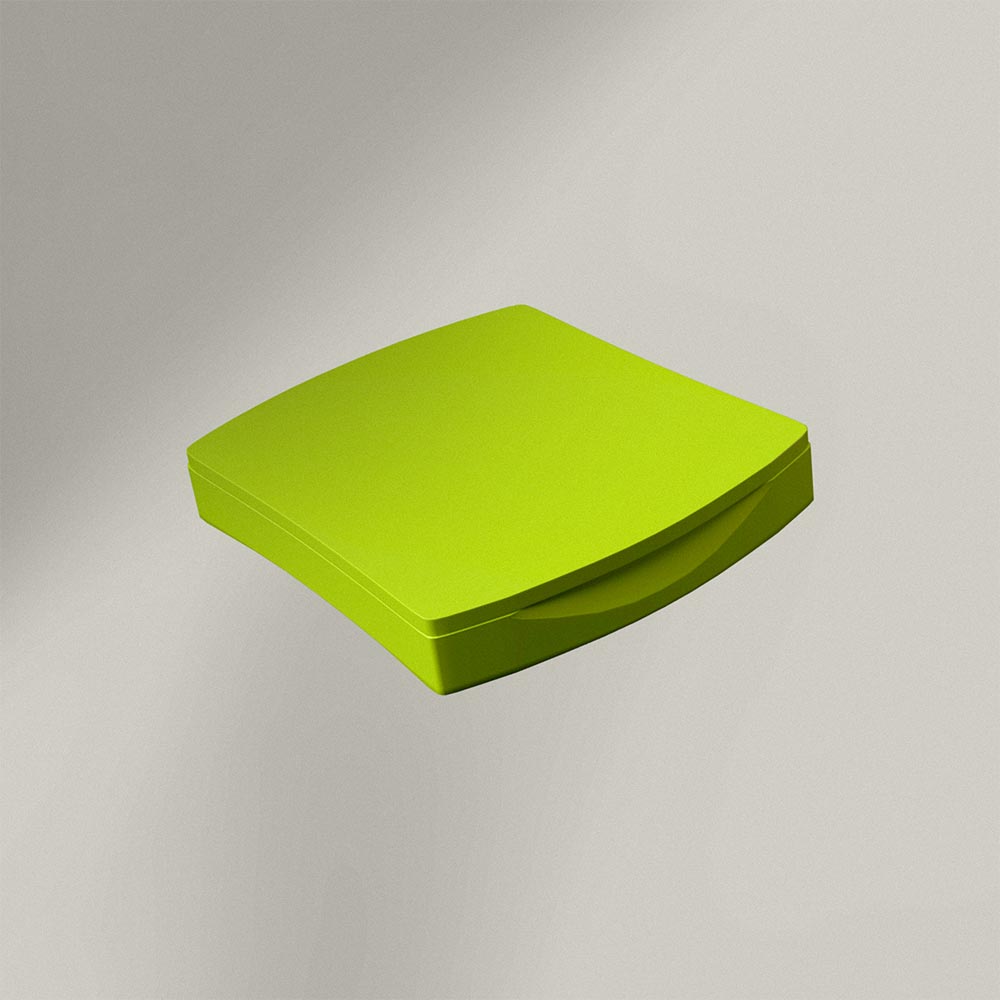
The development of our 100% recycled material, available in a range of trendy colors, represents a major effort to reduce plastic waste in the environment.
Giving Bioplastics a Chance
The development of our plant-based PE material, derived from non-fossil sources such as sugarcane residues, provides a sustainable way to reduce the amount of conventional plastic released into the environment.
Giving Recyclable Products a Chance
The development of our HDPE resin enables us to create fully recyclable packaging by using a cap made from the same material, simplifying disposal, collection, and recycling of the entire package.
Giving Black Plastic a Chance to Be Recycled
The development of our carbon black–free resin, containing a specific additive that allows black caps to enter the recycling stream, ensures proper material identification and enables the recycling of black plastic.
Conscious production
The implementation of a new cooling process, along with the adoption of electric and hybrid machines, allows us to significantly reduce the environmental impact of our production.
Process Stability
Efficiency
Less waste of material
Energy Consuption
Two-times green
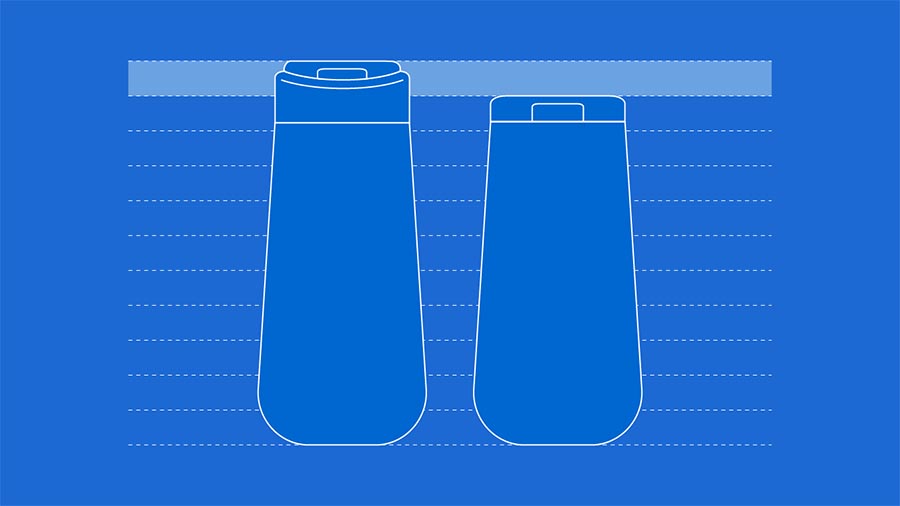
We are doubling our commitment to the environment. Thanks to the efforts of our R&D team, the lightweight Eco Slim model from Giflor, made with 50% less plastic*, is now combined with the sustainability of our 100% recycled Post-Consumer Resin. This has resulted in the new ELP-PCR closure systems: twice-as-green solutions for more sustainable packaging.
Our commitment to the environment has led us to develop a line of closures that are smaller and exceptionally lightweight, achieving a substantial weight reduction-up to 50% less than traditional caps.
Volume
-0%
Plastic in bottle caps
-0%
Ecological logistics
Reducing the weight and volume of ELP caps also enables more efficient logistics, allowing, for example, a greater number of products to fit in each carton.
Pack out
+0%
Shipping cost
-0%
Solar energy for a greener business
Giflor has installed photovoltaic panels on the roof of its warehouse, further strengthening its commitment to sustainability.
The 150 kW system generates approximately 150,000 kWh of clean energy annually, reducing reliance on non-renewable sources and minimizing environmental impact. This initiative represents a step forward toward greater energy efficiency.